
Many parents are looking for books that help children understand the natural world in a positive and engaging way. Environmental stories can spark curiosity, build empathy for animals and encourage children to ask thoughtful questions about the planet.
Stories are often more memorable than facts alone. When children connect emotionally with characters and adventures, they are more likely to develop a lifelong interest in nature.
For children aged 5–11, the best environmental books combine storytelling, imagination and real ideas about wildlife, ecosystems and discovery.
Why environmental stories matter for children
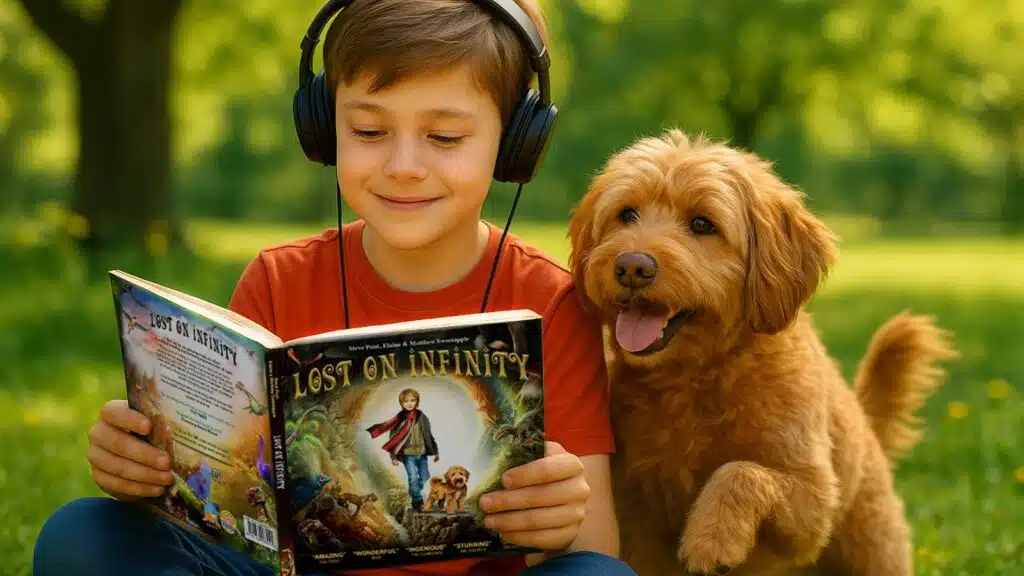 Children are naturally curious about animals and the world around them. Stories that explore nature can help them understand:
- how ecosystems work
- why animals become endangered
- how humans affect the planet
- how scientific discoveries are made
- why protecting nature matters
Research shows that emotional engagement helps children remember information more effectively than facts presented alone.
Stories help children see the world from new perspectives.
What makes a strong environmental story
The most engaging environmental books for children often include:
- memorable characters
- adventure or mystery
- real scientific ideas
- emotional connection to animals
- imaginative settings
- hopeful themes
Stories that balance wonder with understanding often inspire children to learn more.
Environmental themes children respond to
Animals and wildlife
Animals often create an immediate emotional connection. Stories featuring wildlife help children imagine how other species live and survive. This connection can encourage empathy and curiosity.
Exploration and discovery
Adventure stories allow children to explore unfamiliar environments and ideas. These journeys often introduce scientific themes in ways that feel natural and engaging.
Understanding extinction
 Extinction is a challenging topic, but storytelling can make it accessible without feeling overwhelming.
When handled carefully, stories about extinct animals help children appreciate biodiversity and understand why protecting nature matters.
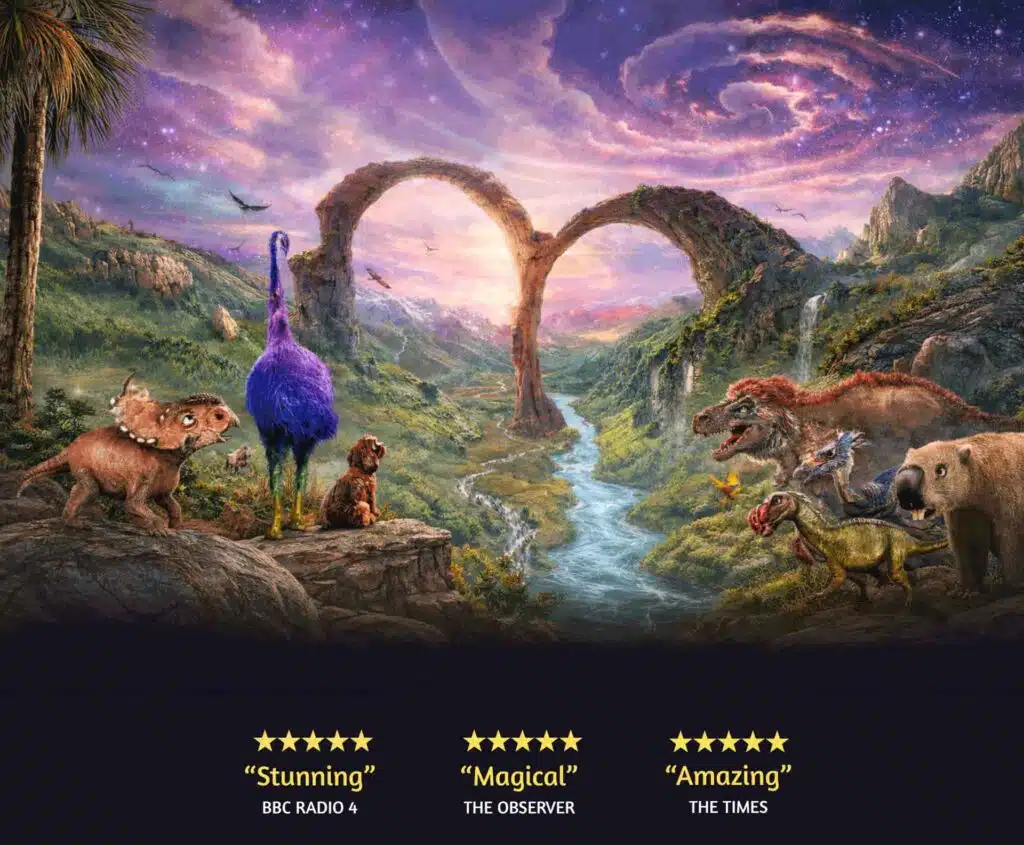
Lost on Infinity explores these themes through an imaginative adventure in which a boy named Moog discovers the Island of Infinity, a mysterious world where the last one of every extinct species lives.
The story combines original music and narrative to create an immersive experience that encourages curiosity about science and the natural world.
Stories that inspire curiosity
Many environmental books encourage children to ask questions.
Curiosity often leads to:
- reading more books
- interest in science
- creative thinking
- outdoor exploration
- empathy for living things
Stories can play an important role in shaping how children see the world.
Choosing environmental books for children aged 5–11
Consider:
- reading level
- emotional tone
- scientific ideas
- imaginative elements
- length of story
- themes that interest your child
Some children prefer adventure stories, while others enjoy factual storytelling or humour. The most important factor is engagement.
Children who enjoy stories are more likely to develop confidence with reading.
Stories that stay with children
Books that combine imagination with meaningful ideas often remain favourites for years.
Environmental storytelling can help children understand their place in the natural world while encouraging curiosity, creativity and empathy.
Stories such as Lost on Infinity combine narrative, music and scientific inspiration to create an experience that children often revisit many times.
🎶😊💚🎶😊💚🎶😊💚🎶😊💚🎶😊💚🎶😊💚🎶😊💚🎶😊💚🎶😊💚🎶😊💚🎶😊💚🎶😊💚
Discover more through story and song
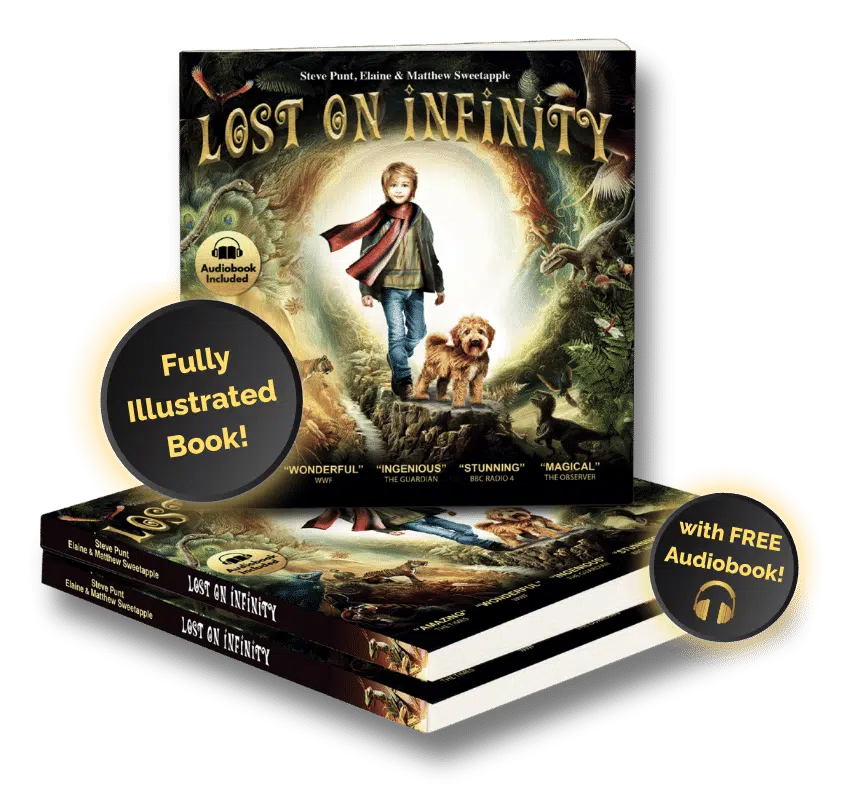 Get the Lost on Infinity illustrated book with free musical audiobook – a totally immersive experience.
Listen to the first part of the Lost on Infinity audiobook and watch the animated adventure FREE on Apple App Store and Google Play.
Download our FREE lesson plans and slides about Extinction and Biomimicry. We also have a selection of FREE classroom activities on our website.
For even more exploration of the natural world, tune in to our Stories, Science & Secrets podcast for kids. Join Matthew, Elaine, Steve Punt and special guests, as we delve into the fascinating world of biomimicry and the inspiring ways science learns from nature’s genius.
Every creature has a secret, and every life is precious.
🎶😊💚🎶😊💚🎶😊💚🎶😊💚🎶😊💚🎶😊💚🎶😊💚🎶😊💚🎶😊💚🎶😊💚🎶😊💚🎶😊💚
About the creators:
Elaine Sweetapple is an illustrator and co-creator of Rockford’s Rock Opera, writing about nature, biomimicry, and storytelling.
Matthew Sweetapple is a writer and producer of Rockford’s Rock Opera, focusing on adventure-led environmental narratives.
Steve Punt is a writer and broadcaster, known for his work across BBC radio and television, and co-creator of Rockford’s Rock Opera.