

Birdwatching may help keep our brains sharp as we get older. Research suggests that experienced birdwatchers have differences in brain structure and activity that could offer clues about resilience to age-related cognitive decline.
It’s a fascinating possibility. An interest that starts with recognising a robin or watching birds from a kitchen window could become a mentally demanding skill practised over a lifetime.
But what did the researchers actually discover? And how does it connect with the pleasure birdwatching can bring to people living with dementia?
What did the brain research find?
A study published in the Journal of Neuroscience compared 29 expert birdwatchers with 29 beginners. Participants underwent brain scans while completing bird identification tasks.
The experts were better at recognising birds. They also showed differences in regions involved in visual processing, attention and working memory, which allows us to hold and use information briefly.
The researchers found that some age-related differences in brain structure were less pronounced among the experts. This suggests that acquiring and practising bird identification skills might help support cognition as people age. BBC Wildlife’s report explains the findings and links to the original research.
These encouraging findings suggest that developing birdwatching skills may help support brain health as we age. Whether taking up the hobby can reduce dementia risk remains a question for future research.
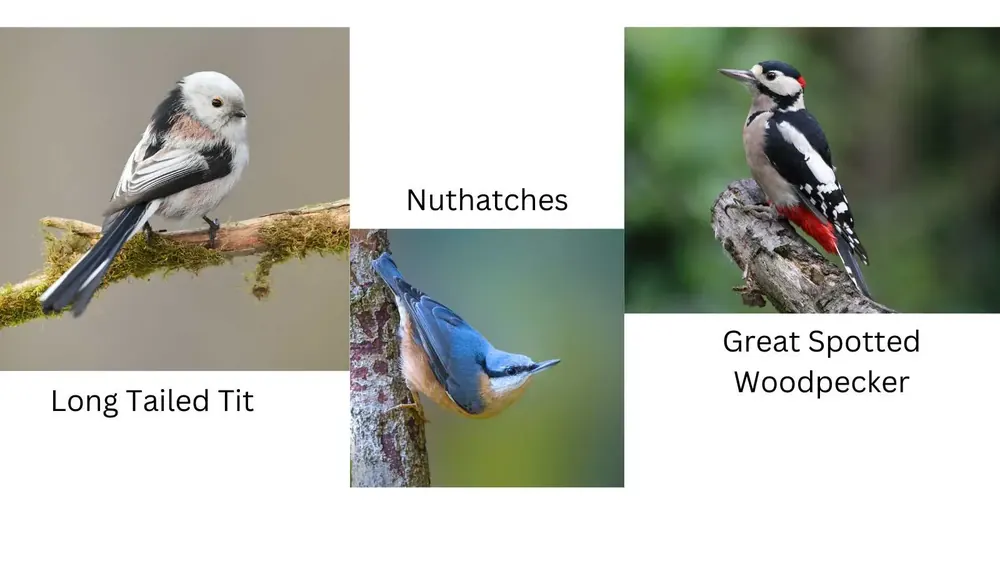
Why is identifying birds mentally demanding?
Think about trying to identify a small bird before it disappears into a hedge. You’re noticing its shape, comparing its markings with birds you recognise and holding those details in mind.
Was there a pale stripe above its eye? What shape was its beak? Did it move like the bird you saw yesterday?
That combination of observation, memory and comparison helps explain why bird identification is an interesting subject for brain research. There’s a skill to acquire, with plenty of opportunities to keep learning.
What about people already living with dementia?
A separate Alzheimer’s Society article offers a moving account of a dementia-friendly birdwatching group at RSPB Sandwell Valley near Birmingham.
People living with dementia attend alongside their carers. They take a gentle walk to a hide, watch the birds and enjoy being together. Members and volunteers describe feelings of calm, pleasure and companionship.
The group’s founder, Steve Tidman, was inspired by his dad, who has mixed dementia and passed on his love of birds to him. Birdwatching remains something his dad enjoys.
There’s no pressure to remember every bird’s name or demonstrate expertise. The experience itself matters. Read the Alzheimer’s Society article.
These are personal experiences, rather than clinical findings showing that birdwatching changes the course of dementia. They describe something valuable in its own right: an enjoyable activity that people can share.
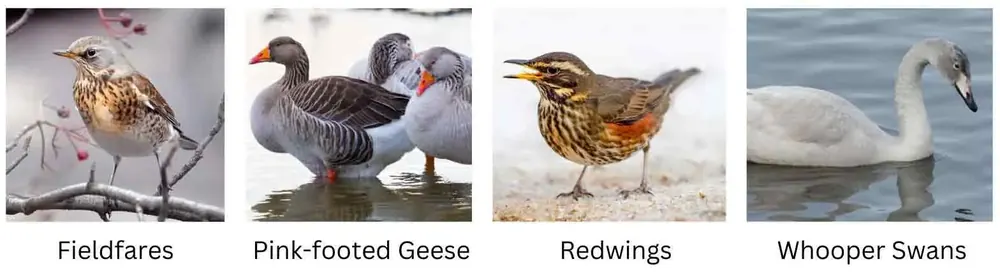
Could it become a family interest?
For parents and grandparents, there’s another reason to give birdwatching a try. It offers children an absorbing alternative to scrolling, with something real to investigate.
The brain research doesn’t establish benefits for children or show that birdwatching reverses the effects of screen time. But families don’t need that promise to enjoy watching wildlife together.
Start with one bird. Notice what it does. Look up its name if you want to, then see whether you can recognise it next time.
A child might spot a movement first. A grandparent might recognise the call. Neither needs to be an expert.
And an interest shared for a few minutes today could become something you return to together for years.

Discover more through our ecological adventure stories
Lost on Infinity is a musical adventure story that introduces children to extinction, biodiversity and biomimicry through storytelling and original songs.
Get the Lost on Infinity illustrated book with free musical audiobook – a totally immersive experience.
Listen to the first part of the Lost on Infinity audiobook and watch the animated adventure FREE on Apple App Store and Google Play.
Download our FREE lesson plans and slides about Extinction and Biomimicry. We also have a selection of FREE classroom activities on our website.
For even more exploration of the natural world, tune in to our Stories, Science & Secrets podcast for kids. Join Matthew, Elaine, Steve Punt and special guests, as we delve into the fascinating world of biomimicry and the inspiring ways science learns from nature’s genius.
Every creature has a secret, and every life is precious.
______________________________________________________________________
About the creators:
Steve Punt is a writer and broadcaster, known for his work across BBC radio and television, and co-creator of Rockford’s Rock Opera.
Matthew Sweetapple is a writer and producer of Rockford’s Rock Opera, focusing on adventure-led environmental narratives.
Elaine Sweetapple is an illustrator and co-creator of Rockford’s Rock Opera, writing about nature, biomimicry, and storytelling.
Rockford’s Rock Opera adventures are written by professional writers, illustrated by artists, and recorded by real musicians, actors and producers. Crafted by humans, the hard way 🎶😊💚