
Blue Monday is often placed on the third Monday in January. The date itself is not fixed by science. Winter low mood is very real. Short daylight hours. Cold weather. Less movement. More isolation.
There is good evidence that four simple things help the body reset. Pets. Soil. Nature walks and sounds. Music. This is not positive thinking. It is physiology.
1. Pets. Calm through connection
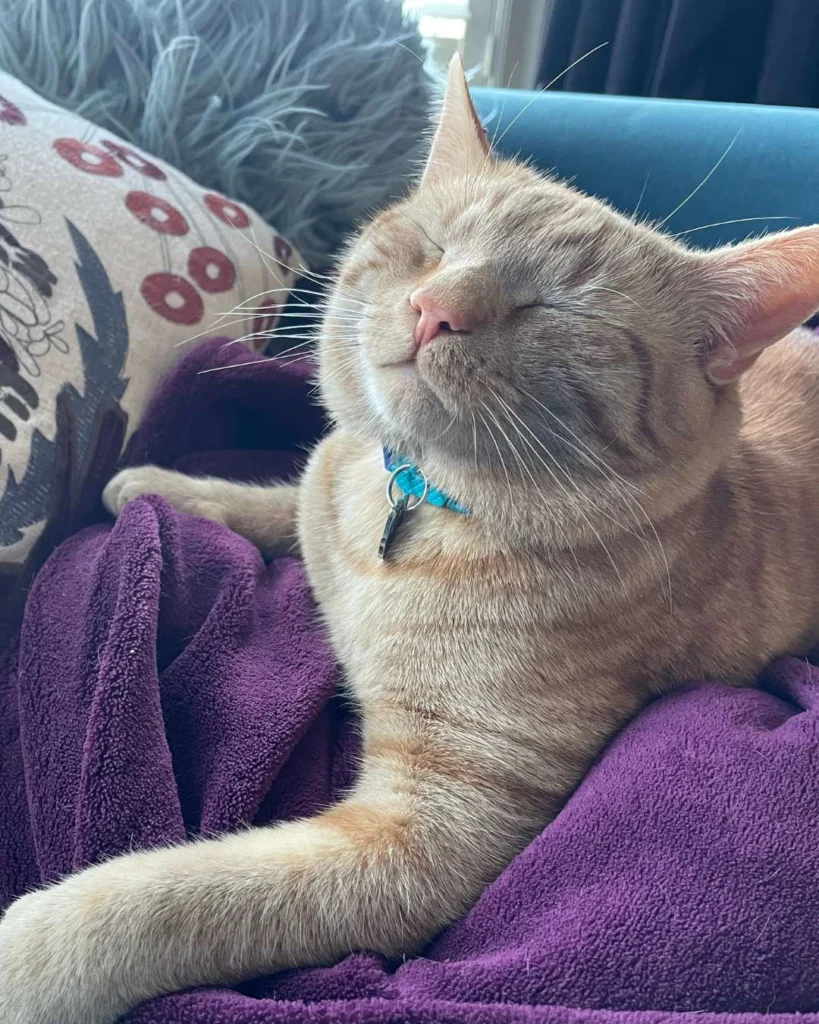
Spending time with animals creates fast changes in the body.
• Heart rate slows.
• Blood pressure drops.
• Oxytocin rises.
• Cortisol falls.
Oxytocin is linked to bonding and safety. It actively counters stress responses.
The American Heart Association reports that interaction with pets can support heart health by reducing stress and encouraging regular physical activity.
Pets also reduce loneliness. They offer presence without judgement. They create routine. Feeding times. Walk times. Routine steadies mood in winter.
Dogs add another benefit. They get people outside, even on days motivation is low.
2. Soil. The overlooked mood regulator

Soil is alive. It is not inert dirt.
A teaspoon of healthy soil contains billions of microorganisms. Bacteria. Fungi. Microbes humans evolved alongside.
One soil bacterium, Mycobacterium vaccae, has been studied for its effects on immune regulation and brain chemistry. Exposure is associated with activation of serotonin related pathways and reduced inflammation linked to stress.
Research from the University of Bristol and University College London supports the idea that contact with natural microbes helps regulate immune responses that influence mood.
This sits within the “old friends” hypothesis. Our immune systems expect contact with nature. When that contact drops, inflammatory stress responses increase.
Gardening shows consistent benefits for mood and blood pressure. Even light gardening helps. The mix matters. Movement. Focus. Sensory input. Microbial exposure.
Wash hands before eating. Parks, gardens, and woodland paths are generally safe.
3. Nature walks and natural sounds

Walking helps mental health. Walking in nature helps more.
Natural environments reduce activity in the brain’s threat centre. Traffic noise and visual clutter increase it.
Trees. Water. Birds. Wind. Uneven ground. These gently engage attention and reduce rumination. Thoughts slow. Breathing deepens.
The World Health Organization links regular access to green space with lower blood pressure, improved mood, and reduced risk of depression.
Natural sounds matter too. Birdsong and flowing water have been shown to support parasympathetic nervous system activity. That is the calming branch of the nervous system.
Add a dog and walks tend to be longer and slower. Both support nervous system regulation.
You can read more in our blog, The Science-Backed Benefits of Listening to Nature Sounds
4. Music. Singing. Smiling. Fast relief
 Music has direct effects on the nervous system.
Listening to music can reduce cortisol and lower heart rate. Singing adds breath control and rhythm, which stimulates the vagus nerve. That helps calm the body.
Group singing increases oxytocin. Solo singing still works.
Smiling matters too. Even a deliberate smile activates facial muscles that signal safety to the brain. Mood often follows the signal.
This is why music can lift mood quickly when words alone do not.
Where audiobooks fit in
Audiobooks combine several of these effects.
Listening engages attention without strain. Music adds emotional regulation. Singing along adds breath and rhythm.
You can listen while walking. Gardening. Sitting outside. Smiling. Singing quietly. Or loudly.
This makes musical audiobooks especially useful during winter, when energy is lower but the need for regulation is higher.
Discover more through story and song
Get the Lost on Infinity illustrated book with free musical audiobook – a totally immersive experience.
Listen to the first part of the Lost on Infinity audiobook and watch the animated adventure FREE on Apple App Store and Google Play.
Download our FREE lesson plans and slides about Extinction and Biomimicry. We also have a selection of FREE classroom activities on our website.
For even more exploration of the natural world, tune in to our Stories, Science & Secrets podcast for kids. Join Matthew, Elaine, Steve Punt and special guests, as we delve into the fascinating world of biomimicry and the inspiring ways science learns from nature’s genius.