

Children are often told that they must protect nature. Protect the oceans. Save the rainforest. Help endangered animals. Care for the planet.
But caring rarely begins with an instruction. It begins with an experience.
It might be the first time a ladybird lands on a child’s hand. The moment they spot a frog in a pond. The discovery of a feather, a paw print or something unexpected beneath a fallen log.
These small encounters make nature real.
That connection matters because children protect what they know and love.
“No one will protect what they don’t care about, and no one will care about what they have never experienced.”
Sir David Attenborough
Are children losing touch with nature?
A recent survey of more than 1,000 children and parents in England found that:
- More than half of the 11 to 14-year-olds surveyed had never climbed a tree.
- Seven in ten had never made a daisy chain.
- Nine in ten had never learnt to recognise birds by sight or sound.
- More than three quarters had never built a den from branches and leaves.
Yet around three quarters said they would definitely or probably choose the proposed Natural History GCSE if their school offered it.
The curiosity is still there. Children may simply need more opportunities to experience nature for themselves.
Source: Geographical, reporting research commissioned by the Lost Gardens of Heligan
Nature needs to be experienced
Books, films and lessons can introduce children to the living world. They can reveal extraordinary animals, distant habitats and the problems facing our planet.
But children also need mud on their shoes.
They need to hear birds rather than simply learn their names. They need to watch insects moving through the grass. They need the freedom to stop, look and ask questions.
- What lives here?
- Why does it look like that?
- Where is it going?
- What would happen if it disappeared?
Those questions are the beginning of understanding. They are also the beginning of care.
Every encounter can create a connection
A child doesn’t need to visit a rainforest or swim across a coral reef to experience nature.
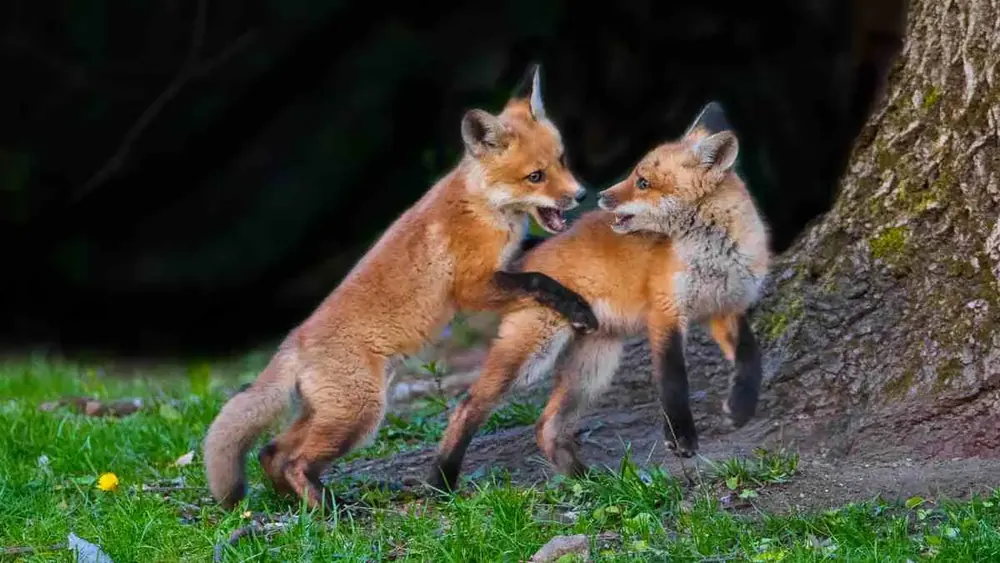
It can begin in a garden, park, wood or patch of grass. It can begin with a spider in the bath, a snail on the pavement or a bird outside the window or even a fox in the garden.
Nature is everywhere, even when we have forgotten how to notice it.
Adults don’t need to know every answer either. Sometimes, “I don’t know. Shall we find out?” is the best possible response.
It tells children that their question matters. It also shows them that the natural world is still full of secrets.
A coconut husk. Some mysterious fungi. And one very curious teenager.
A great example of connecting with nature happened during a Science Fair project.
Hawaiʻi student Vera Wang began by creating a filter from discarded coconut husks to capture microplastics and sunscreen pollution from seawater.
Then she looked more closely.
She discovered that fungi living naturally inside the husks could potentially break down those pollutants. Some may even be species previously unknown to science.
The research is still at an early stage, but the idea behind it is wonderful. Nature has spent billions of years finding ways to survive, adapt and recycle. Sometimes the answer to a human problem may be growing beneath our noses.
But first, someone has to go outside, notice it and ask a question.
That’s why children need time with nature. Not simply to learn the names of things, but to become curious about how the living world works.
Fungi help clean up plastic and sunscreen: Kaiser High student wins at Hawai‘i Science Fair
Simple ways to help children experience nature
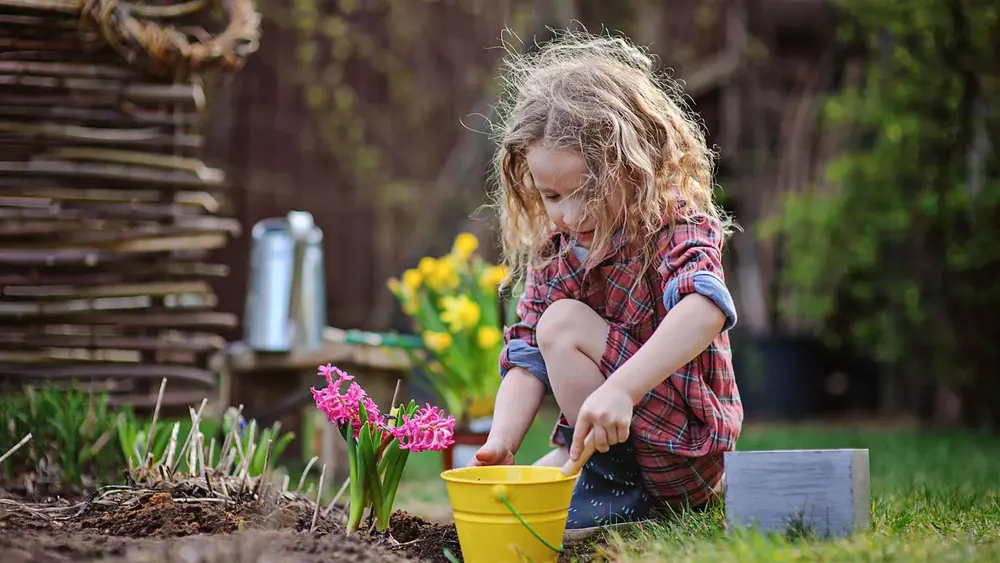
Connecting with nature doesn’t require an expensive trip or specialist knowledge. It can begin just outside the front door.
- Choose one local tree and watch it change through the seasons.
- Learn to recognise three common birds by sight or sound.
- Look for insects beneath a fallen leaf, stone or log, then put it back carefully.
- Make a simple bird feeder or insect shelter.
- Grow something edible in a pot.
- Search for animal tracks, feathers and signs of feeding.
- Take a torch outside after dark and see what appears.
- Visit the same pond, park or patch of woodland throughout the year.
- Let children photograph or draw what they find.
- Ask questions together. You don’t need to know every answer.
Why this matters to us
Rockford’s Rock Opera stories have always been about the creatures with whom we share our world.
Through stories, songs and adventures, we want children to meet these creatures, understand them and care about what happens to them.
But the story shouldn’t end when the book closes or the music stops.
Go outside. Look beneath a leaf. Listen for a bird. Follow an ant for a while. Let a child become absorbed in something tiny and apparently ordinary.
Once a child has truly experienced nature, it’s no longer an abstract thing they’ve been told to protect.
It becomes part of their world.
And that is where caring begins.

Discover more through our ecological adventure stories
Lost on Infinity is a musical adventure story that introduces children to extinction, biodiversity and biomimicry through storytelling and original songs.
Get the Lost on Infinity illustrated book with free musical audiobook – a totally immersive experience.
Listen to the first part of the Lost on Infinity audiobook and watch the animated adventure FREE on Apple App Store and Google Play.
Download our FREE lesson plans and slides about Extinction and Biomimicry. We also have a selection of FREE classroom activities on our website.
For even more exploration of the natural world, tune in to our Stories, Science & Secrets podcast for kids. Join Matthew, Elaine, Steve Punt and special guests, as we delve into the fascinating world of biomimicry and the inspiring ways science learns from nature’s genius.
Every creature has a secret, and every life is precious.
______________________________________________________________________
About the creators:
Steve Punt is a writer and broadcaster, known for his work across BBC radio and television, and co-creator of Rockford’s Rock Opera.
Matthew Sweetapple is a writer and producer of Rockford’s Rock Opera, focusing on adventure-led environmental narratives.
Elaine Sweetapple is an illustrator and co-creator of Rockford’s Rock Opera, writing about nature, biomimicry, and storytelling.
Rockford’s Rock Opera adventures are written by professional writers, illustrated by artists, and recorded by real musicians, actors and producers. Crafted by humans, the hard way 🎶😊💚