

When an elephant feels unwell, could it know which plant might help?
New research from the Mount Elgon region of Kenya has recorded local observations of elephants selecting plants associated with wounds, stomach problems, birth and other health needs.
Researchers documented 35 plant species considered potentially medicinal for elephants by people with extensive knowledge of the animals and their habitat.
It is a remarkable possibility—but one that requires careful language. The study provides valuable evidence about what local experts have observed. It does not yet prove that elephants understand illness or medicine in the way people do.
What is animal self-medication?
Scientists use the term “zoopharmacognosy” to describe the study of animals apparently using plants, soils or other natural materials to prevent or treat health problems.
Some animals consume substances with little obvious nutritional value when they are ill. Others swallow rough leaves that may help remove intestinal parasites or rub plants and insects onto wounds and skin.
There are now intriguing examples involving great apes, bears, birds, insects and dolphins.
Proving self-medication is difficult, however. A plant may be eaten because it is nutritious, available, familiar or simply pleasant-tasting. Researchers need evidence connecting an animal’s health, its unusual choice and the possible medical properties of the substance.
How was the elephant study carried out?
The researchers worked in the Mount Elgon region, an area of forests, farms and human communities on the border between Kenya and Uganda.
Instead of relying only on short-term observations by visiting scientists, they interviewed people with long experience of the local elephants and plants.
These included wildlife professionals, traditional healers and other community members with detailed ecological knowledge.
The researchers asked about occasions when elephants appeared ill or injured, the plants they selected and how those same plants were used in local medicine.
This approach recognises that people who spend years living and working around wildlife may notice rare behaviour that a short research project could easily miss.
How many plants were identified?
The study recorded 35 plant species considered potentially medicinal for elephants.
Twenty-five were also known locally for medicinal uses.
Reported functions included treating wounds, digestive problems and weakness, supporting pregnancy and birth, and helping young elephants.
In one account, a wildlife scout described elephants using a plant locally known as Angurweet as medicine for calves.
Such observations do not constitute laboratory proof, but they offer scientists testable questions. Researchers can now examine the plants’ chemistry, observe elephant behaviour more systematically and investigate whether particular plants are chosen more often when animals have specific health problems.
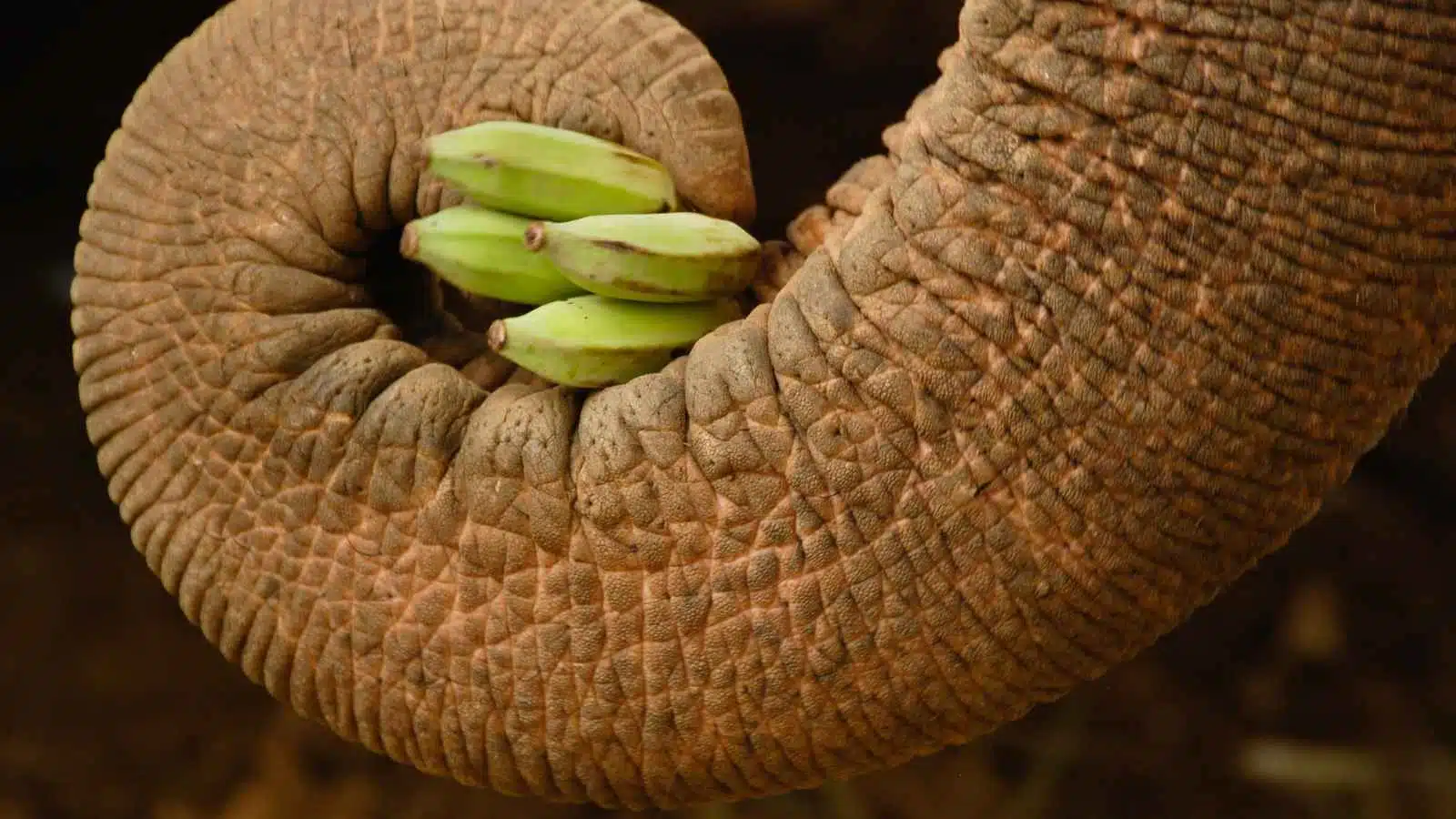
Do elephants give medicine to their families?
The accounts include observations interpreted as elephants helping calves or other members of their family group.
Elephants have close social relationships and are known to assist distressed, injured or vulnerable companions. Calves learn by watching and following older animals, particularly their mothers and other females.
This makes the possibility of shared medicinal knowledge especially intriguing.
However, the new study does not experimentally demonstrate that one elephant diagnoses another and deliberately administers a treatment.
An adult may lead a calf towards a plant, share access to it or simply provide an example that the youngster copies. Distinguishing deliberate treatment from ordinary feeding and social learning requires much more direct evidence.
How might elephants learn which plants to use?
There are several possibilities.
Some useful plant choices may be instinctive. An animal could inherit a tendency to seek a particular taste or smell when experiencing a certain physical condition.
Other knowledge may be learned through experience. If eating a plant is followed by relief, the animal might remember and repeat that choice.
Social learning may also be important. Young elephants spend years with experienced family members, giving them many opportunities to observe what older animals eat and when they eat it.
The most realistic explanation may involve a mixture of inherited behaviour, individual experience and knowledge passed through families.
Can plants really act as medicine?
Plants manufacture an enormous variety of chemical compounds.
Some deter insects, fungi or hungry animals. Others protect the plant from infection or environmental stress. These same compounds can sometimes affect the bodies of animals that consume them.
Many human medicines originated from—or were inspired by—natural compounds. That does not mean every traditional remedy works or that every medicinal plant is safe. A substance can be helpful at one dose and poisonous at another.
The 35 elephant-associated plants therefore need individual investigation. Scientists must examine their chemical properties, likely doses and effects before drawing conclusions about how they might help an elephant.
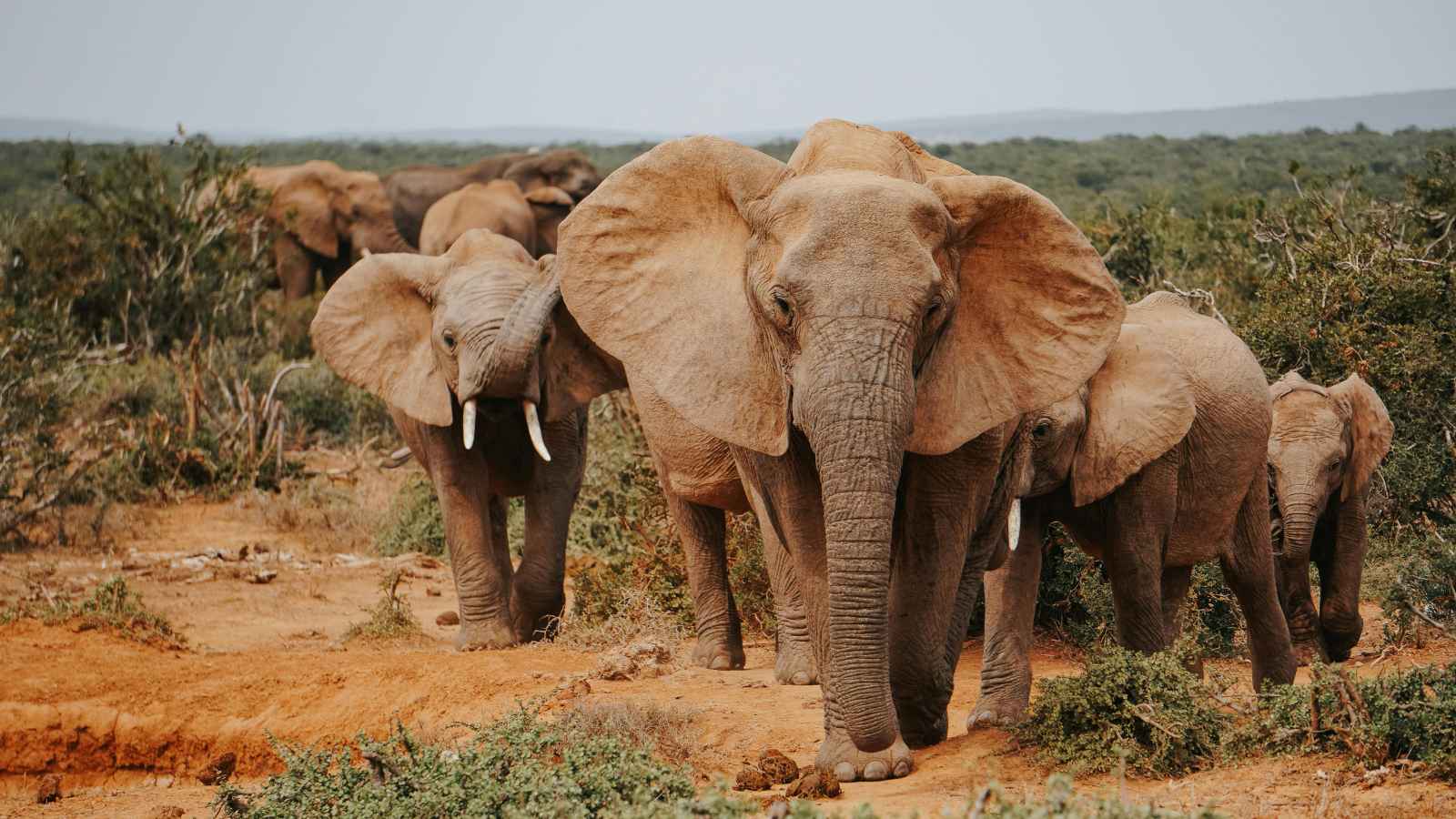
Why does local knowledge matter?
Scientific understanding does not begin only when somebody wearing a laboratory coat notices something.
Wildlife scouts, farmers, traditional healers and communities living beside animals can accumulate detailed knowledge across generations. They may recognise changes in feeding, movement and health that are invisible during a shorter scientific field study.
That knowledge still needs careful testing, but it can guide researchers towards important questions and prevent valuable observations from being overlooked.
The study is therefore about more than elephants. It demonstrates how scientific methods and long-standing community knowledge can work together.
Could elephants help humans discover new medicines?
Potentially—but this idea must not be exaggerated.
Animals can direct scientific attention towards plants containing biologically active compounds. Researchers could investigate whether plants apparently selected by sick elephants contain antibacterial, anti-inflammatory or antiparasitic substances.
That would be the beginning of a lengthy process, not the discovery of a ready-made human treatment.
A compound that affects an elephant may not be safe or effective in people. Laboratory analysis, toxicity testing and clinical research would all be needed.
The immediate lesson is not that elephants can prescribe medicine for us. It is that animal behaviour may reveal biological relationships worth investigating.
A library of knowledge worth protecting
An elephant herd may carry knowledge that is never written down.
Its members travel through forests used by generations before them. Older elephants remember paths, water and seasonal foods. Young animals learn by following.
If elephants also possess knowledge about medicinal plants, losing a herd could mean losing part of that living library.
The plants themselves are equally important. Destroying a diverse forest removes not only habitats and food, but chemical possibilities that humans and other animals may never have explored.
At Rockford’s Rock Opera, every creature has a story and every species may possess something the rest of the world needs.
The elephants of Mount Elgon remind us that intelligence does not always appear in books. Sometimes it travels quietly through a forest, carried in memory from one generation to the next.
Discover how nature inspires invention with our free biomimicry resources for ages 7–11. Includes slides and activities.
Download them and many other resources in our shop.
Explore more Creature Secrets
Discover more than 100 examples of biomimicry, animal adaptations and discoveries inspired by nature in our free Creature Secrets database.

Our ecological adventure stories
Lost on Infinity is a musical adventure story that introduces children to extinction, biodiversity and biomimicry through storytelling and original songs.
Get the Lost on Infinity illustrated book with free musical audiobook – a totally immersive experience.
Listen to the first part of the Lost on Infinity audiobook and watch the animated adventure FREE on Apple App Store and Google Play.
Download our FREE lesson plans and slides about Extinction and Biomimicry. We also have a selection of FREE classroom activities on our website.
For even more exploration of the natural world, tune in to our Stories, Science & Secrets podcast for kids. Join Matthew, Elaine, Steve Punt and special guests, as we delve into the fascinating world of biomimicry and the inspiring ways science learns from nature’s genius.
Every creature has a secret, and every life is precious.