

Wildlife, Fungi and Wonderful Autumn Discoveries
Discover what to look for in British nature this November, from hibernating hedgehogs and migrating birds to mysterious fungi, spectacular starling murmurations and the secrets of the autumn woodland.
November is a month of change in the natural world. As temperatures fall and the days grow shorter, Britain’s wildlife is busy preparing for winter. Some animals are finding places to sleep through the cold, while others are arriving from distant countries to spend the winter here.
Here are some of November’s nature highlights:
- Hedgehogs prepare for hibernation, building cosy nests beneath leaves and logs.
- Winter birds arrive, including redwings, fieldfares, whooper swans and pink-footed geese.
- Starling murmurations fill the evening sky with extraordinary swirling patterns.
- Fungi appear across woodland floors, revealing a hidden world beneath our feet.
- Deer recover from the autumn rut, while foxes become increasingly vocal as their winter breeding season approaches.
- Insects and amphibians seek winter shelter, often in our own gardens.
- Longer nights offer wonderful stargazing, including the Pleiades star cluster and November’s Leonid meteor shower.
It’s a wonderful time to wrap up warm, head outdoors and discover that even as winter approaches, nature is full of surprises.
Woodland Wildlife: Preparing for the Cold
Hedgehogs
November is when many British hedgehogs begin hibernating. They build special winter nests, called hibernacula, using dry leaves, moss and grass. These shelters are often hidden beneath hedges, log piles or garden sheds.
During hibernation, a hedgehog’s body temperature drops and its heartbeat slows dramatically, allowing it to conserve precious energy until spring.

Be the change you want to see in the world. We’ve read the ‘State of Nature 2023’ report and understand the challenges so that we can take action.
Help hedgehogs in your garden: Leave an undisturbed corner with leaves, logs and natural shelter. If you’re planning a bonfire, rebuild the pile immediately before lighting it, checking carefully for hidden wildlife.
Hedgehogs are usually active at night. If you see one wandering around in daylight, particularly if it seems weak or confused, contact a wildlife rescue organisation for advice.
Foxes
Foxes remain active throughout winter. As their breeding season approaches, you may hear their strange cries and barks echoing through the night.
 Foxes use a range of sounds, body movements and scent markings to communicate. Their calls can sound surprisingly human, particularly on a cold, dark evening!
By autumn, young foxes born earlier in the year are becoming independent. Some leave to find territories of their own, while others remain with their family group.
Deer
November marks the end of the main rutting season for red and fallow deer. After weeks of roaring, competing and chasing rivals, many males need time to recover.
 Their winter coats are thickening and the woodland is becoming calmer.
If you’re lucky enough to see deer in the countryside, admire them from a distance, particularly if large males are still displaying rutting behaviour.
Wild Boar: Nature’s Diggers
Wild boar once roamed Britain’s forests before disappearing from the wild. Today, free-living populations have become established in some areas, particularly the Forest of Dean.
 These powerful animals use their snouts to dig through the woodland floor, searching for roots, insects and other food.
Their digging, known as rooting, can create patches of disturbed soil where new plants may grow. It can also damage sensitive habitats, which is why managing their populations requires care.
Nature’s engineers: Wild boar are a fascinating example of how animal behaviour can physically change an environment.
Bonfire Night: Remember Britain’s Wildlife!
Bonfire Night is a wonderful British tradition, but while we enjoy the fireworks and celebrations, November can be a frightening and dangerous time for wildlife.
Hedgehogs are particularly vulnerable. As they prepare for hibernation, a pile of dry leaves and logs can look like the perfect winter home. Unfortunately, it might also be someone’s unlit bonfire.
Frogs, toads and other small creatures may be sheltering there too.
How can you help?
- Build bonfires on the day they’re being lit, rather than leaving them standing for several days.
- Move the materials to a clear patch of ground before building the fire.
- Carefully check the entire pile with a torch and broom handle, never a garden fork.
- Choose an organised fireworks display rather than setting off fireworks at home.
- Keep pets indoors during fireworks and provide somewhere safe for them to hide.
- Collect firework litter once it’s completely safe to do so.
Fireworks can also disturb wild birds and mammals. Sudden loud noises may cause birds to abandon their resting places or animals to flee in panic.
In 2026, the UK Government announced proposals to restrict the loudest fireworks to professional displays, partly because of concerns about their effects on animals.
A little care can save a life. If you’re planning a bonfire, remember that someone small and prickly might already have moved in!
The Hidden World of Fungi
November is a wonderful time to discover fungi.
Look carefully on woodland walks and you’ll find mushrooms growing among fallen leaves, on tree trunks and across decaying logs.
But the mushrooms we see are only part of the story.
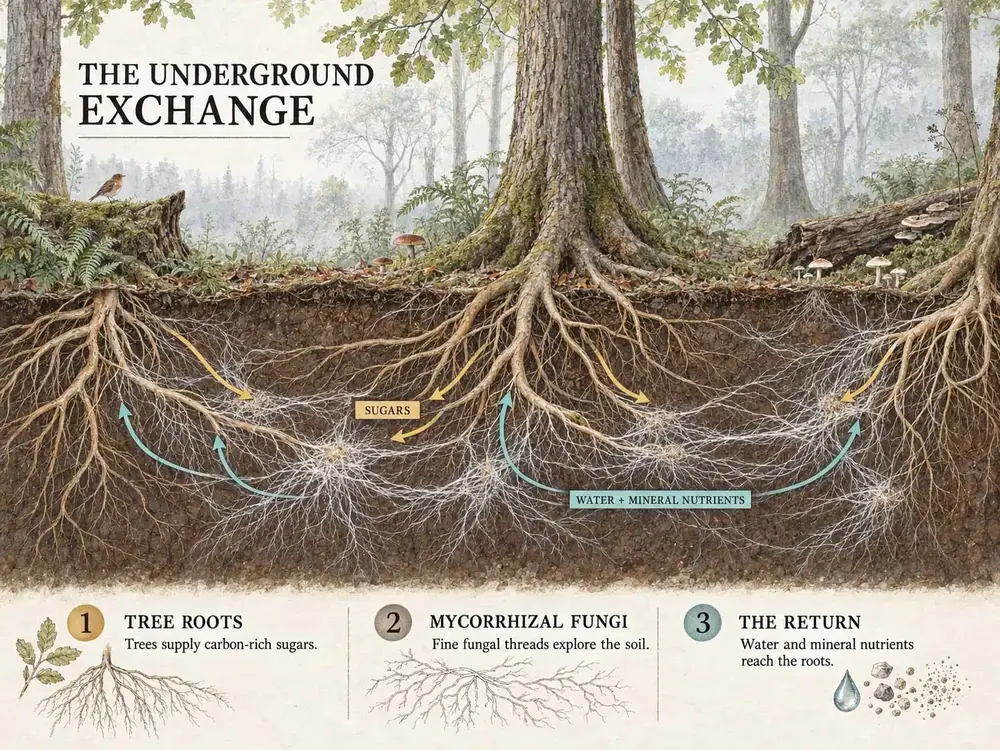 Beneath the ground, many fungi grow as networks of tiny threads called mycelium. Some form partnerships with tree roots, exchanging nutrients and helping plants obtain water and minerals.
These underground relationships are sometimes described as the Wood Wide Web.
Scientists are still investigating how these fungal networks work and whether they allow trees to exchange information. It’s an extraordinary area of research, although some popular claims about trees communicating through fungi go further than the evidence currently supports.
Four Fungi to Look For
 Fly agaric: The familiar red mushroom with white spots. Beautiful to photograph but poisonous.
Oyster mushrooms: Often found growing in overlapping layers on dead wood.
Wood blewits: Attractive violet-coloured fungi that can appear among fallen leaves.
Shaggy inkcaps: Fascinating mushrooms whose caps gradually dissolve into a dark, ink-like liquid as they mature.
Remember, never eat wild mushrooms unless they’ve been positively identified by a qualified expert.
Birds on the Move: November’s Winter Visitors
While some British birds migrate south, others arrive here to escape even colder conditions elsewhere.
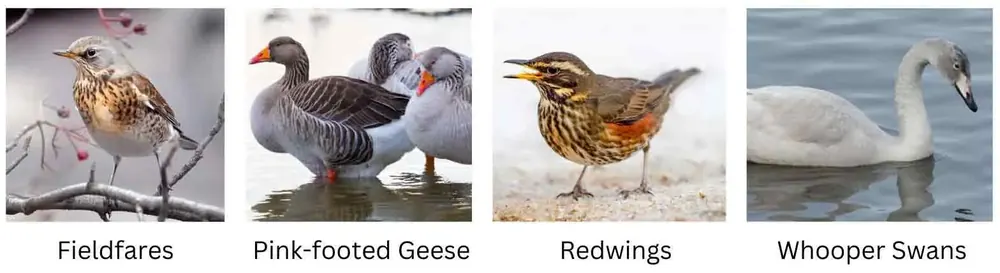 Look out for redwings and fieldfares, winter-visiting thrushes that often gather around berry-laden hedgerows.
Whooper swans and pink-footed geese travel from Iceland to spend the colder months in Britain. Their calls can be heard as they fly overhead, sometimes in large formations.
And then there’s one of November’s greatest spectacles.
Starling Murmurations: Nature’s Aerial Ballet
On some November evenings, thousands of starlings gather at dusk, creating enormous, constantly changing shapes in the sky.
These displays are called murmurations.
 Each bird responds rapidly to nearby birds, allowing the whole flock to turn and change direction without a single leader.
Scientists study this remarkable coordination to understand collective behaviour. Similar principles are also used in research into robot swarms and autonomous systems.
Biomimicry in action: By studying how birds move together, researchers can learn new ways to coordinate groups of machines.
A murmuration is a wonderful sight for children and adults alike, especially against a colourful November sunset.
Insects and the Miniature World
Even when temperatures fall, there’s plenty happening in the world of insects and other small creatures.
Some bumblebees may still be visiting late ivy flowers on mild days.
Peacock and brimstone butterflies can spend the winter as adults, hidden away in sheltered places such as hollow trees and outbuildings.
Spiders continue to produce their extraordinary silk, a material combining strength, flexibility and remarkably little weight.
Scientists have long studied spider silk in the search for useful new materials, including fibres for medical and engineering applications.
A little nature challenge: On a damp November morning, look for spider webs covered in tiny droplets of dew. Their beautiful patterns become much easier to see.
New Arrivals: Britain’s Grey Seal Pups
While some animals are settling down for winter, others are welcoming new life!
November is grey seal pupping season around parts of the British coast, particularly in Lincolnshire and Norfolk.
At Donna Nook National Nature Reserve in Lincolnshire, the first pup of the 2026 season was born on 24 October. By 30 October, seven pups had already been recorded.
Grey seal pups are born with beautiful white fur and depend on their mothers’ rich milk to grow rapidly during their first weeks.
Families can visit designated viewing areas to see these wonderful animals. Remember to stay behind the barriers, never approach or touch the pups and leave dogs at home.
Amazing nature fact: Grey seal mothers can recognise their own pups through their calls and smell, helping them find each other in busy colonies.
National Tree Week 2026: Discover the Trees Near You
From 21–29 November, Britain celebrates National Tree Week.
This year’s theme, Trees Near You, encourages everyone to appreciate the trees growing in the places we visit every day.
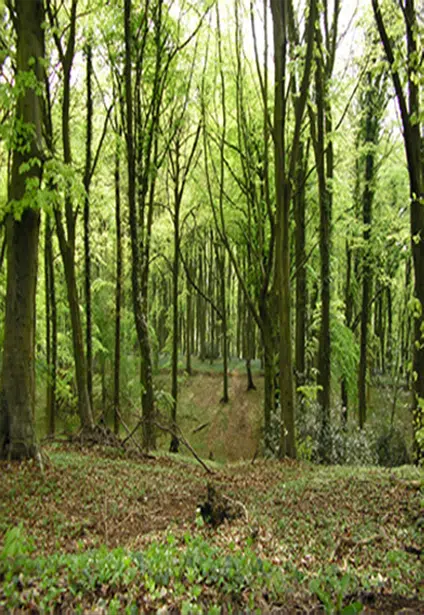 Trees provide food and shelter for birds, insects and mammals. Even a single mature tree can support an extraordinary range of life.
Try this with children: Choose a favourite local tree and see how many signs of wildlife you can discover around it. Look for fallen seeds, fungi, moss, insects and birds visiting its branches.
You could even return throughout the year and make a record of how your tree changes with the seasons.
The Forest Floor: Seeds, Spores and Winter Sleep
The woodland floor is particularly busy during November.
Fallen leaves are broken down by fungi, bacteria and countless small invertebrates, returning nutrients to the soil.
Many trees have already reclaimed useful nutrients from their leaves before shedding them.
Sycamore seeds spin towards the ground like miniature helicopters. Their shape slows their fall and helps the wind carry them away from the parent tree.
This clever natural design has inspired research into small flying devices.
Meanwhile, mosses and lichens provide miniature habitats for tiny creatures.
Try this with children: Take a magnifying glass into the woods. Look at moss, decaying leaves and seed cases. You’ll find a miniature world that’s easy to miss when you’re simply walking past.
By the Water: Ducks, Frogs and Herons
 Ponds, rivers and wetlands are still wonderful places to explore in November.
Mallards and teal gather on the water, while grey herons stand motionless at the water’s edge, waiting for fish.
Frogs, toads and newts are beginning to settle into sheltered places for winter.
Some frogs remain at the bottom of ponds, where they can absorb oxygen through their skin. Others shelter beneath logs, stones and compost heaps. Newts usually seek frost-free hiding places on land.
These amphibians can become active again during mild winter weather.
Help garden amphibians: Leave some logs, leaves and undisturbed areas where they can shelter safely until spring.
Stargazing on November Nights
November’s longer nights offer some wonderful opportunities to explore the sky.
Look for Orion, Taurus and the Pleiades star cluster, also known as the Seven Sisters.
The Leonid meteor shower also occurs in November, usually reaching its peak around the middle of the month.
Find somewhere away from bright streetlights, wrap up warmly and give your eyes time to adjust to the darkness.
You don’t need an expensive telescope. A clear sky and a little patience can reveal plenty.
For a particularly atmospheric evening, why not combine stargazing with an audiobook? Lost on Infinity, our musical adventure about extinct creatures and the natural world, makes a lovely companion for an evening of discovery.
Five Ways to Help British Wildlife in November
1. Leave a wild corner. Fallen leaves, branches and undisturbed areas provide winter shelter for hedgehogs, insects and amphibians.
2. Feed garden birds safely. November marks the return of seed and peanut feeding under the RSPB’s current seasonal guidance. You can also offer suet and mealworms. Clean feeders weekly, offer moderate amounts and replace drinking water daily.
3. Keep ivy growing. Late-flowering ivy provides valuable nectar for insects and its berries feed birds during winter.
4. Avoid unnecessary pesticides. Many insects spend winter as eggs, larvae or adults hidden within the soil and vegetation.
5. Be careful with bonfires and fireworks. Always check bonfire materials for wildlife before lighting them. Keep pets safely indoors when fireworks are expected and provide a comfortable hiding place.
Small changes in our gardens can make a real difference to the animals sharing our surroundings.
NEW! Rockford’s Monthly Guide to British Nature Is Here!

If you’ve enjoyed our monthly nature blogs, we have some lovely news!
Our brand-new book, Rockford’s Monthly Guide to British Nature, is now available!
Inspired by the wonderful response to our monthly nature guides, we’ve created a beautifully illustrated, full-colour book that takes children on a journey through an entire year of British wildlife.
Join Rockford, the adventurous dog from Lost on Infinity, as he discovers what to look for each month, from winter wildlife and spring flowers to summer butterflies, autumn fungi and the extraordinary secrets of the natural world.
Packed with fascinating animal facts, outdoor challenges, seasonal activities, nature journal pages and discoveries about biomimicry, it’s designed to encourage children aged 5–11 to get outside, look more closely and develop a lasting love of nature.
Perfect for families, grandparents, home educators and classrooms, it’s a book children can return to throughout the year.
Available now for £9.99, with free UK delivery.
Discover Rockford’s Monthly Guide to British Nature and order your copy
Discover more through our ecological adventure stories
Lost on Infinity is a musical adventure story that introduces children to extinction, biodiversity and biomimicry through storytelling and original songs.
Get the Lost on Infinity illustrated book with free musical audiobook, creating an immersive read-along experience.
Listen to the first part of the Lost on Infinity audiobook and watch the animated adventure FREE on the Apple App Store and Google Play.
Download our FREE lesson plans and slides about Extinction and Biomimicry. We also have a selection of FREE classroom activities on our website.
For even more exploration of the natural world, tune in to our Stories, Science & Secrets podcast for kids. Join Matthew, Elaine, Steve Punt and special guests as we explore biomimicry and the ways science learns from nature.
Every creature has a secret and every life is precious.
About the creators
Steve Punt is a writer and broadcaster, known for his work across BBC radio and television and co-creator of Rockford’s Rock Opera.
Matthew Sweetapple is a writer and producer of Rockford’s Rock Opera, focusing on adventure-led environmental narratives.
Elaine Sweetapple is an illustrator and co-creator of Rockford’s Rock Opera, writing about nature, biomimicry and storytelling.
Rockford’s Rock Opera adventures are written by professional writers, illustrated by artists and recorded by real musicians, actors and producers. 🎶😊💚