
As a child, frogspawn was pure magic. We had a small pond in the garden, and every spring I would rush outside to check it. Had the jelly appeared yet? Had the tiny black dots arrived? Those first clusters always felt like a secret delivered overnight. Even now, spotting frogspawn brings back that same quiet excitement.
The world’s largest frog
Long before I ever spotted frogspawn, I was already captivated by frogs. I can still remember sitting on the floor with my junior encyclopaedia, completely absorbed by a photograph of the goliath frog. It hardly seemed real. A frog that could grow up to 32 cm long and weigh more than 3 kg. That’s bigger than many pet rabbits and heavier than some cats. To my childhood imagination, it felt enormous, more creature than frog. Each spring, I searched our little garden hopefully, half expecting to discover one lurking near the pond or tucked behind the flowerpots. Of course, I never did. Some wonders belong to distant rivers and rainforests, yet that early sense of amazement has a habit of staying with you.
That same curiosity often begins closer to home when children first notice frogspawn, tadpoles, or small hopping shapes near a pond. One of the most common questions quickly follows:
Is it a frog or a toad?
Although they may look similar at first glance, frogs and toads have clear differences that young nature observers can learn to spot. Frogs typically have smooth, moist skin and long, powerful legs built for jumping. Toads, by contrast, have drier, warty skin and shorter legs, making them more inclined to walk than leap. Even their spawn tells a story. Frogspawn appears in jelly-like clumps, while toad spawn forms long strings draped through the water. They have different characteristics, but share the same family tree. Learning these distinctions helps children sharpen observation skills and deepen their understanding of how animals adapt to different habitats.
When does frogspawn appear in the UK?
Spring rarely arrives all at once. Instead, it reveals itself through subtle, easily missed signs. One of the most enchanting is frogspawn. In mild winters, frogspawn can appear as early as February. In colder years, March is more typical. Timing depends largely on temperature, particularly overnight conditions.
For children, discovering frogspawn often feels like finding hidden treasure.
What exactly is frogspawn?
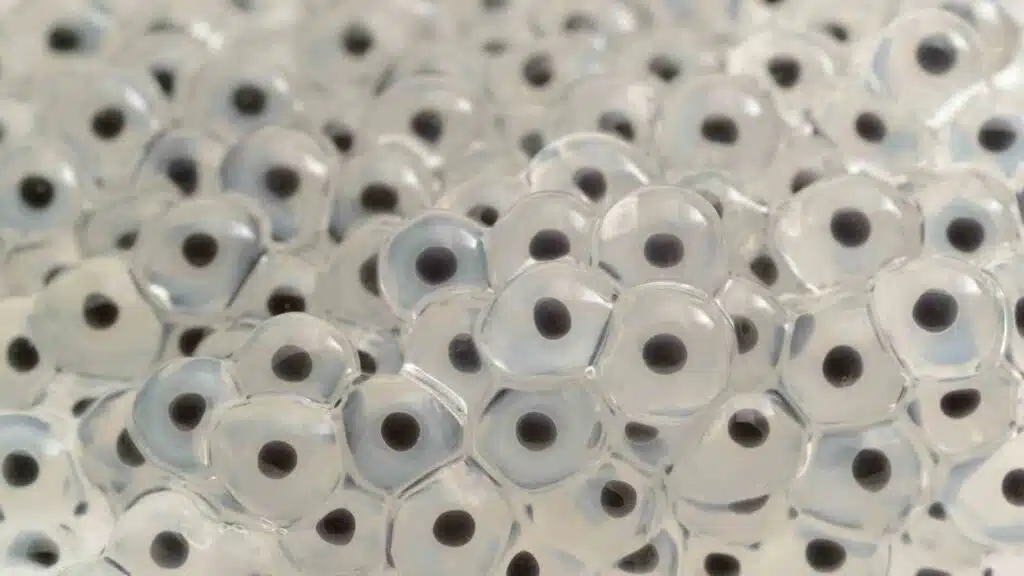
Frogspawn is a cluster of frog eggs surrounded by a clear protective jelly. Each tiny black dot is a developing embryo. The jelly plays a vital role. It prevents the eggs from drying out, buffers against temperature fluctuations, and offers limited protection from predators.
Beneath the surface, dramatic biological changes are already underway.
Frogs respond strongly to environmental cues. Water temperature, rainfall, and night-time warmth all influence breeding behaviour. Because these factors vary across regions and seasons, frogspawn dates naturally shift from year to year.
Nature rarely follows a strict calendar.
How long until tadpoles hatch?
In favourable conditions, tadpoles may emerge within one to three weeks. Cold weather slows development. The transformation stages are endlessly fascinating to observe: egg, embryo, wriggler, tadpole.
Each pond visit may reveal something new.
The remarkable life cycle of a frog

Frogs undergo an extraordinary process called metamorphosis.
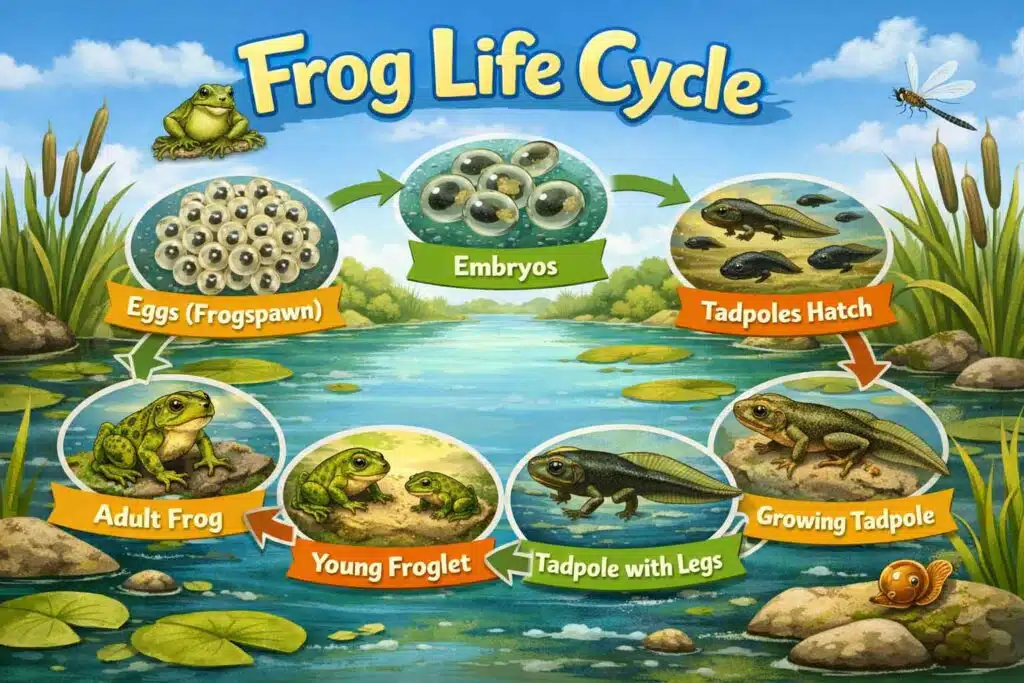
Eggs (frogspawn)
Laid in jelly-like clumps in water. They hatch in roughly 1 to 3 weeks.
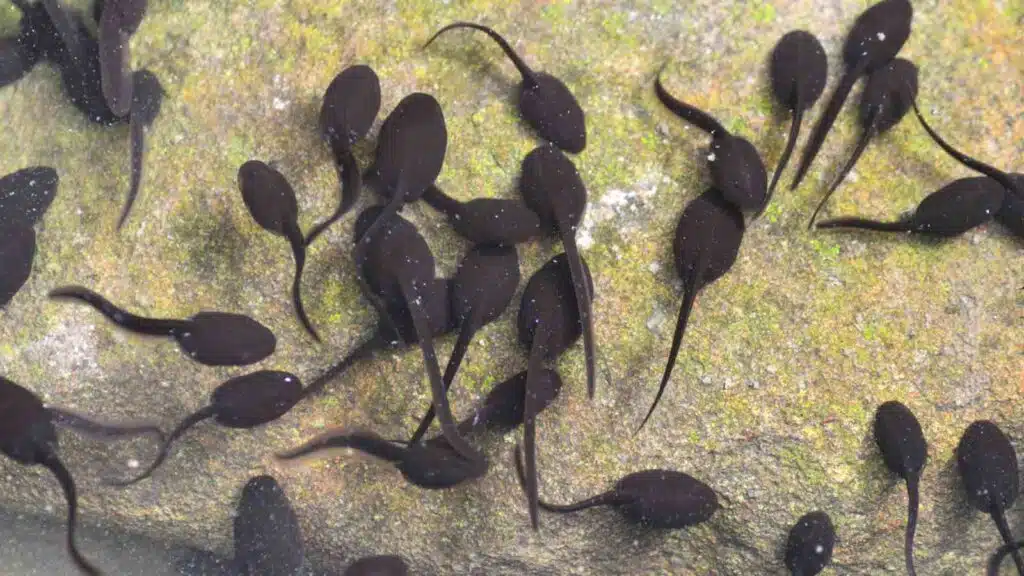
Tadpoles
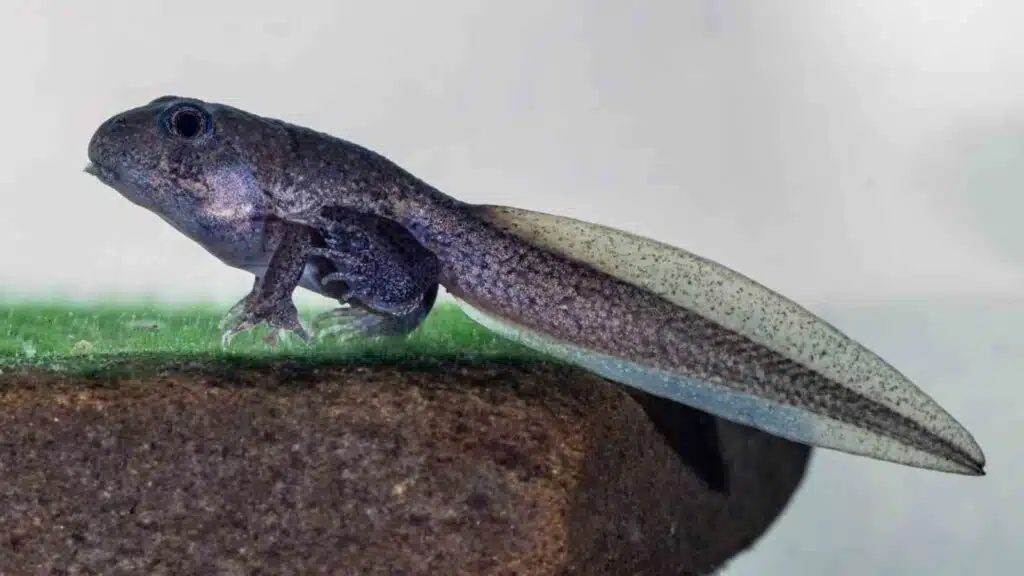
Fully aquatic. They breathe using gills and swim with long tails. This stage lasts for most of the approximately 14-week transformation.
Froglet
Legs begin to grow. The tail gradually shrinks. Gills are replaced by lungs.
Adult frog
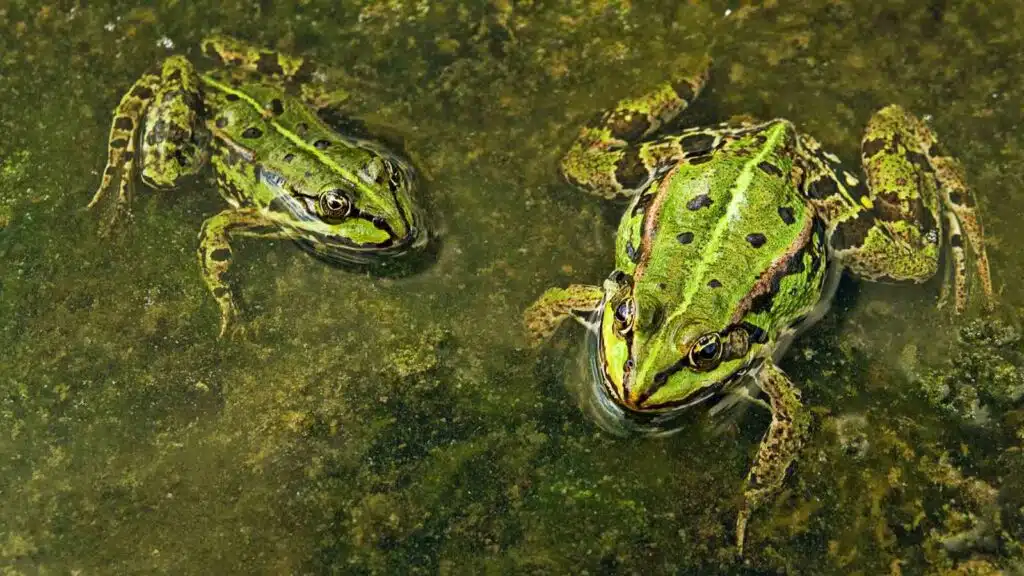
An air-breathing amphibian adapted for life on land and in water. Many frogs live 5 to 10 years in the wild.
Why is frogspawn vulnerable?
Frogspawn is delicate. Late frosts, pollution, habitat loss, and disturbance all pose risks. Even gentle handling can cause harm.
Looking is best. Touching is not.
Wetlands, bogs, and unexpected inspirations
 Frogs are not the only creatures shaped by watery landscapes. Bogs, for example, are extraordinary habitats. Did you know bogs store more carbon than all the world’s trees combined? These rich ecosystems support rare wildlife and complex ecological processes.
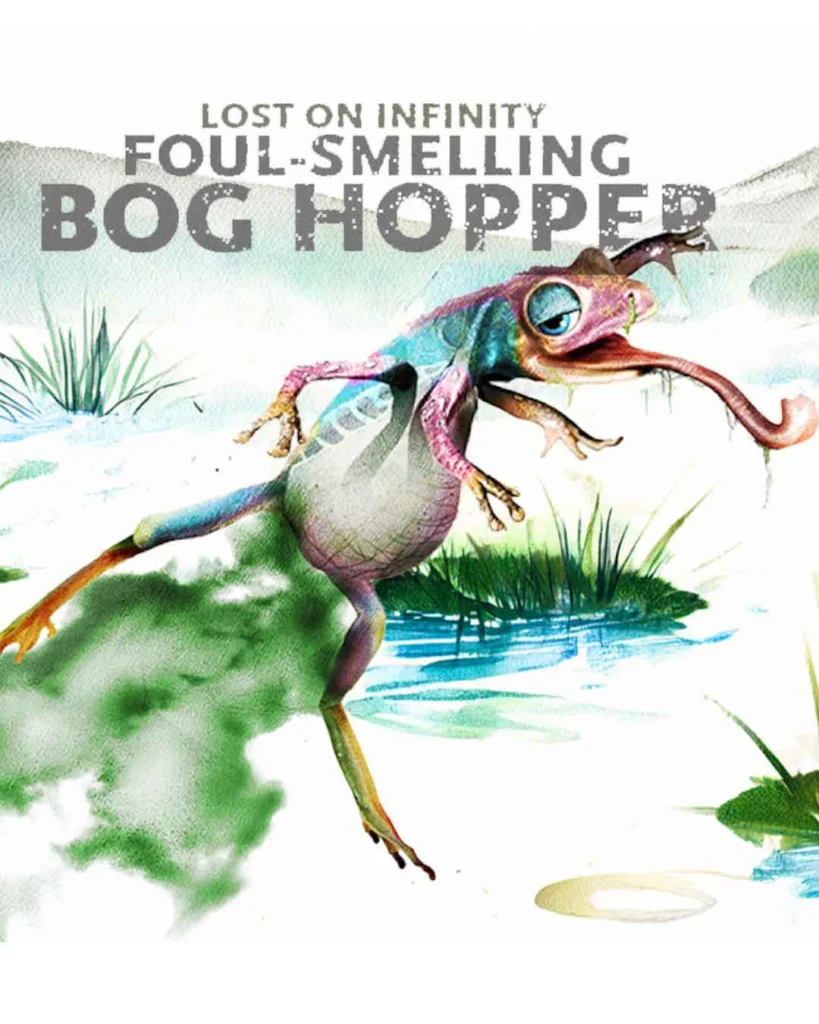
They have also inspired storytelling. In The King of Nowhere, a foul-smelling creature called the Foul Smelling Bog Hopper roams the wetlands of Infinity. Like many real-world bog dwellers, it is specially adapted to survive in acidic, waterlogged conditions.
Curious about these mysterious environments?
👉 Read more in our latest blog about bogs
Try this at home or in class
Create a frogspawn observation chart. Visit a pond weekly and safely record changes such as weather, size differences, movement, and developing features.
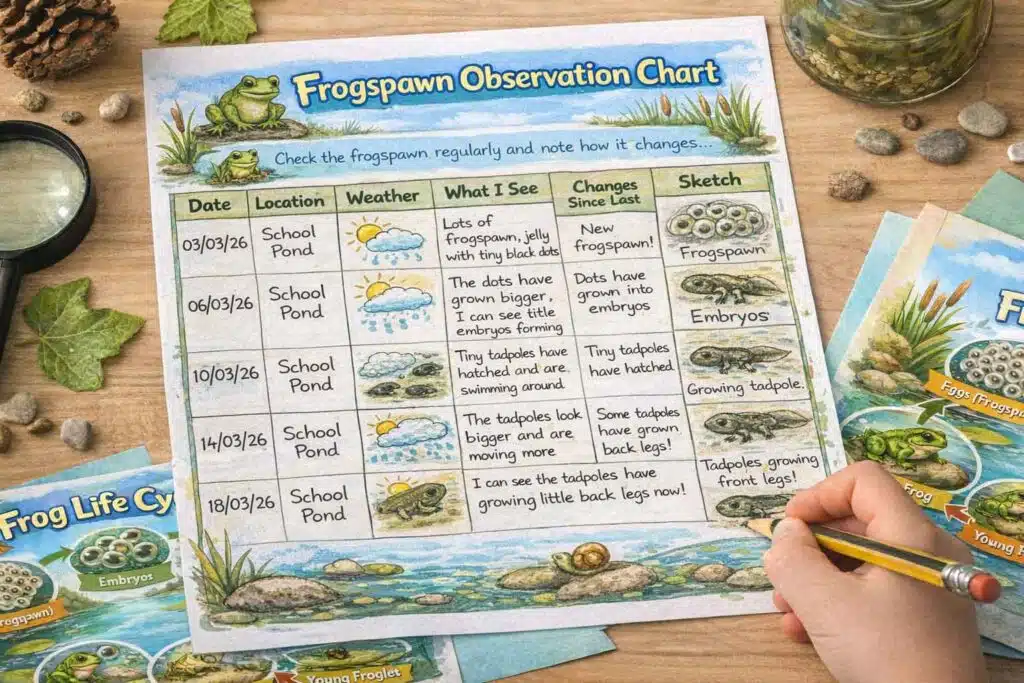
👉 Download our FREE classroom resources
How does this connect to Rockford’s Rock Opera?
Nature’s life cycles echo themes of growth, survival, and transformation found throughout Rockford’s Rock Opera. Stories help children connect emotionally with the living world. Science deepens that understanding.
Discover more through story and song
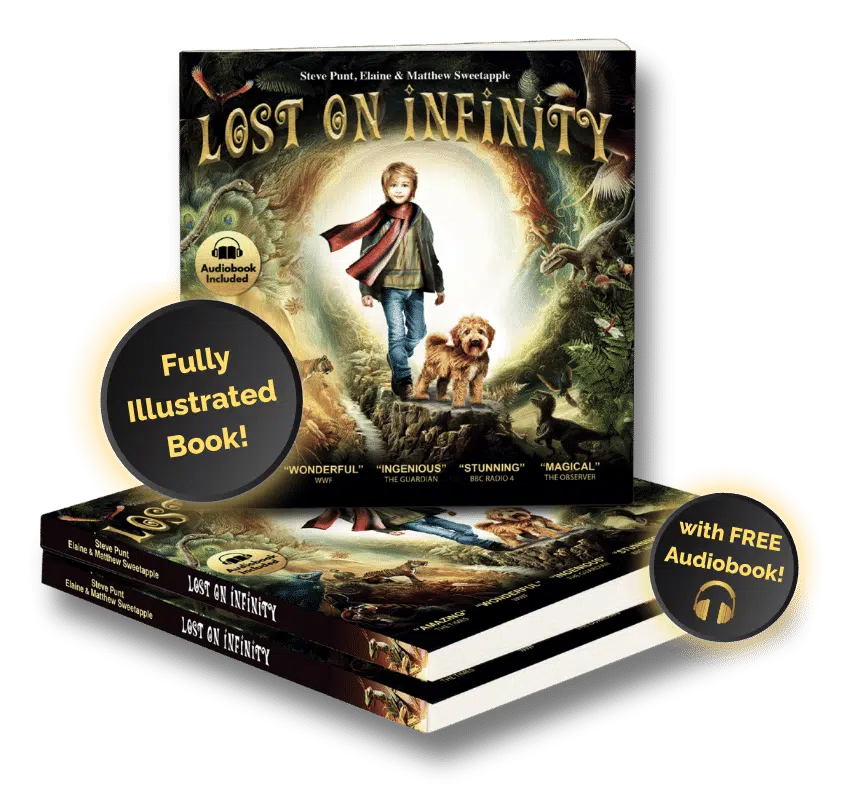 Get the Lost on Infinity illustrated book with free musical audiobook – a totally immersive experience.
Listen to the first part of the Lost on Infinity audiobook and watch the animated adventure FREE on Apple App Store and Google Play.
Download our FREE lesson plans and slides about Extinction and Biomimicry. We also have a selection of FREE classroom activities on our website.
For even more exploration of the natural world, tune in to our Stories, Science & Secrets podcast for kids. Join Matthew, Elaine, Steve Punt and special guests, as we delve into the fascinating world of biomimicry and the inspiring ways science learns from nature’s genius.