

A small green parrot has been found again in a remote mountain forest. Eight crested ibises were released in Japan. White sharks are turning up in New England waters, following the seals. All over the planet, endangered animals are quietly showing us that careful conservation can actually work.
Can endangered species really come back?
Yes. Not always, and never easily. But sometimes, wonderfully, yes.
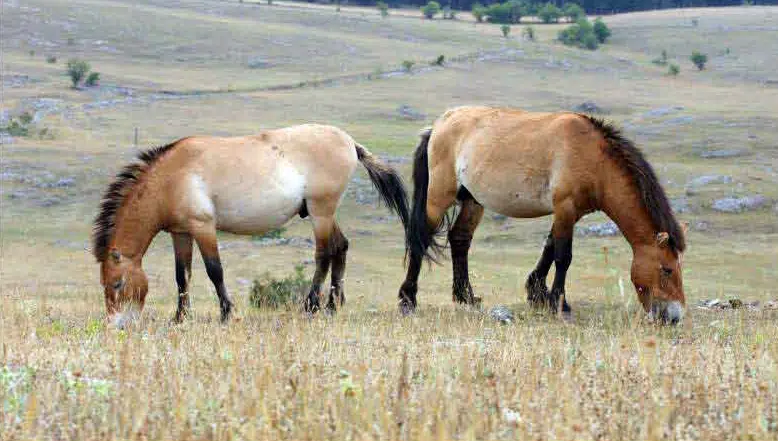 A recent round-up from Global Voices gathered up several stories worth holding on to. Przewalski’s horses are back on the grasslands of Mongolia, having once been extinct in the wild altogether. In Nepal, Bengal tiger numbers have climbed after years of patient work. In the Russian Far East, camera traps keep catching Amur leopards and Amur tigers slipping through the trees. In India’s Kaziranga National Park, women-led patrols help guard the rhinos. And in Nepal, Indigenous women are protecting pangolins while building up local ecotourism at the same time.
None of these are fairy-tale fixes. They came from slow, stubborn effort – habitat protection, science, local knowledge, funding and years of care. And, crucially, they came from involving the people who live closest to the wildlife. That might be the biggest lesson of all. Conservation works best when it isn’t done to a community, but with it.
Why does local conservation matter?
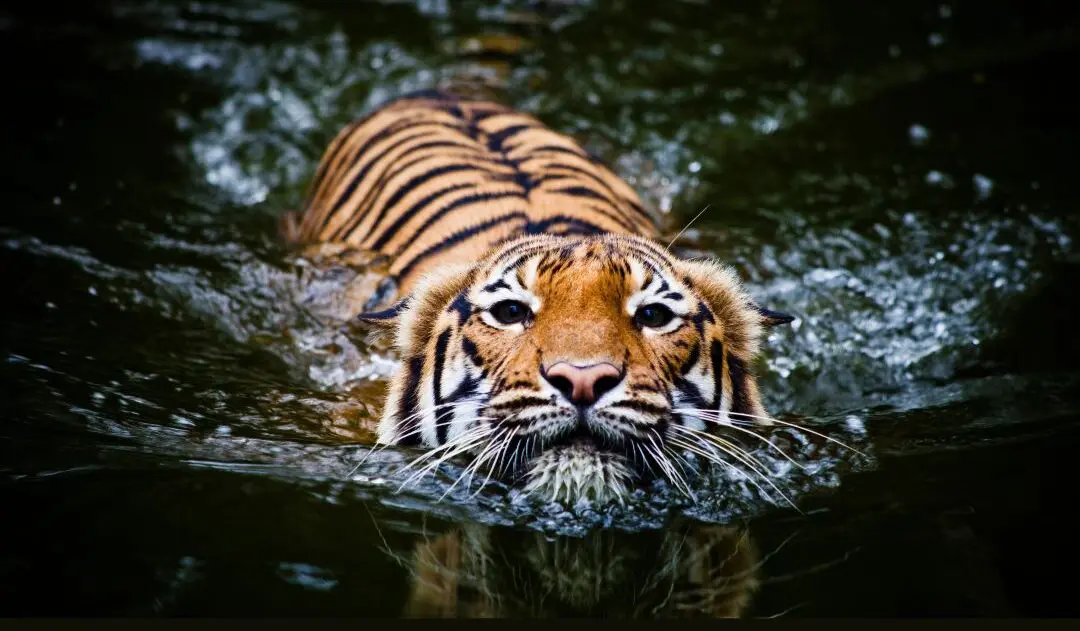
There’s a glimmer of hope in the fight for endangered tigers.
Animals move through forests, grasslands, rivers, coastlines and the edges of our towns. So if a species is going to recover, the people who share that landscape have to be part of the recovery too.
A tiger padding back into a forest is wonderful news, but it also means local families need support to live safely alongside a large predator.
A rhino population can climb, but only if poaching is stopped and habitats are kept whole.
Coral reefs can be brought back, but only if fishing, pollution and warming seas are taken seriously alongside the rescue work.
This is where community-led conservation really earns its keep. Local people often know the land better than anyone. They notice the changes first. They understand where the animals travel, where the water runs and where the pressure is building. When that knowledge is listened to, conservation becomes stronger, and a good deal fairer.
Are any of these comebacks happening here in the UK?
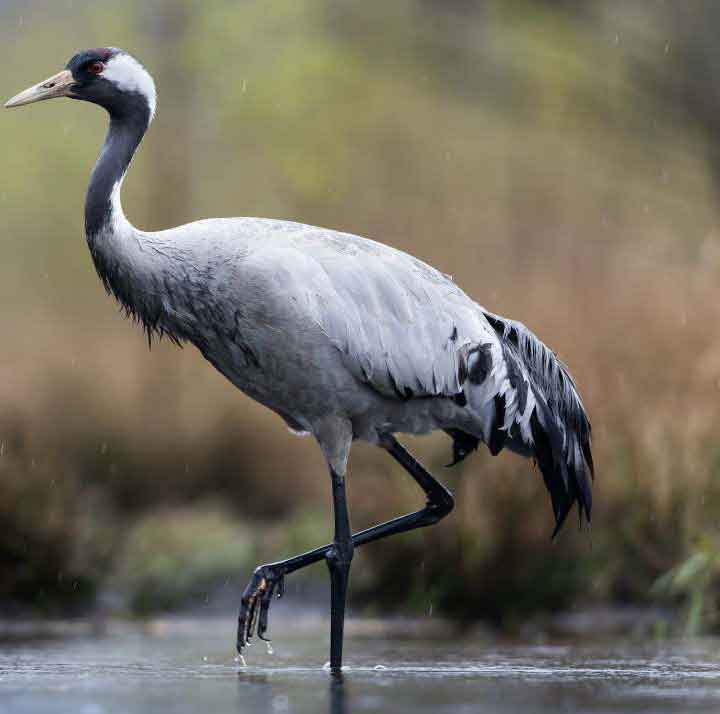 Yes, and one of them is the tallest bird in Britain.
Cranes were once widespread and probably very common across the UK, but they were lost as a breeding species in the Elizabethan Era – around 400 years ago. For four centuries, it was simply gone.
Then, in 1979, a few cranes flew in from mainland Europe and quietly settled in Norfolk. People protected the patch of land they landed on. Later, the Great Crane Project which is a partnership between the RSPB, the Wildfowl & Wetlands Trust and the Pensthorpe Conservation Trust, hand-reared and released young cranes in the Somerset Levels, even building new nesting habitat with the help of local farmers.
It worked. In 2025, the UK had its best crane year on record, with 87 breeding pairs raising 37 chicks and bringing the population to around 250 birds. Cranes have now spread as far north as Scotland, where a record ten pairs fledged nine chicks. In winter, flocks of more than a hundred can gather in the Fens — a sight that would have seemed impossible just a few decades ago.
A crane is hard to miss, mind you. It stands about a metre tall, with a wingspan of roughly two metres, a loud bugling call that carries for miles, and a courtship dance full of bows, leaps and pirouettes.
It is, in other words, our own homegrown comeback story — and it carries the very same lesson as all the others. Most of the breeding pairs now live on protected sites, on land that people chose to look after. The crane didn’t return on its own. It returned because wetlands were saved, restored and rebuilt, very often by the farmers and communities living right beside them.
Why are white sharks being seen near Massachusetts?
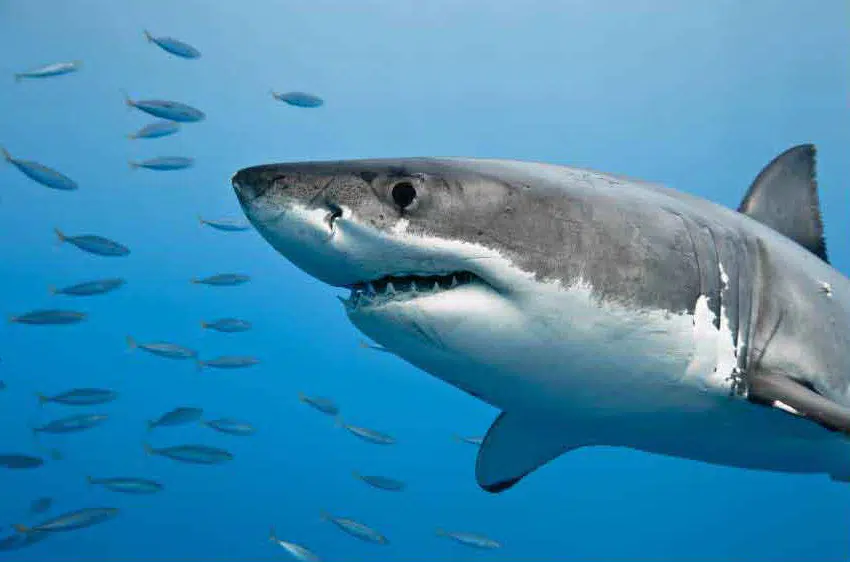 The shark story works a little differently.
Reports from Massachusetts describe white sharks feeding on seals, which sounds alarming if you’re planning a swim. But it’s also part of a much bigger picture. Grey seals were once hunted hard in New England. As protections helped their numbers recover, there were suddenly far more seals around, and white sharks are natural predators of seals. So a shark turning up near a seal colony isn’t a surprise. It’s the food web doing exactly what food webs do.
When the prey comes back, the predators tend to follow. That can feel unsettling, because we humans rather like our nature at a polite distance, looking lovely through a pair of binoculars and not eating anything in front of us. Nature, sadly, has other ideas.
White sharks are apex predators. They help shape the whole marine ecosystem, and their presence near seal colonies can be a sign that part of the ocean food web is working again. That doesn’t mean ignoring safety advice, of course. New England Aquarium experts suggest staying alert in shallow water, steering clear of seals and big schools of fish, and following local guidance. The point isn’t panic. The point is respect.
Could something even bigger be hiding in the sea?
Whenever sharks make the news, one enormous question tends to surface. What about Megalodon?
Megalodon was the biggest shark we know of – a prehistoric giant that once hunted the ancient seas. Today, scientists are clear that it is extinct. The Natural History Museum says it had gone by the end of the Pliocene, with evidence pointing to its disappearance at least 3.6 million years ago. So no, there’s no good reason to think Megalodon is still down there in the dark.
The ocean does still keep its secrets, though. Back in 1997, a vast underwater sound nicknamed “The Bloop” was picked up right across the Pacific. For a while, people let their imaginations run, wondering whether some unknown giant had made it. NOAA later traced it to an icequake, Antarctic ice cracking and breaking away. Less monstrous, perhaps, but no less astonishing.
There are even real cases of large sharks being eaten by something larger still. In one tracked example near Bermuda, a pregnant porbeagle shark was most likely eaten by another big shark. Scientists could tell because its tag suddenly recorded the kind of heat and movement you’d expect from inside another animal.
So the lesson isn’t that sea monsters are lying in wait for us. It’s something better than that. The ocean is vast, deep and still only half understood, and it’s full of real creatures stranger than anything we could make up. Sharks, whales, squid, deep-sea fish and animals we’ve barely begun to study are all part of a living world that’s older, weirder and more surprising than the myths.
What does the crested ibis release in Japan mean?
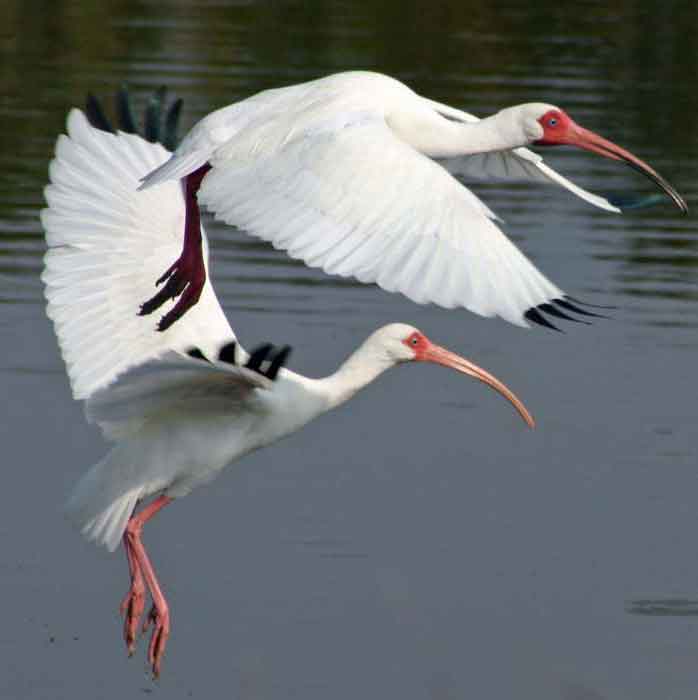 In May 2026, eight crested ibises were released in Hakui, in Japan’s Noto region.
The crested ibis (known as Toki in Japan) is a white bird with soft orange-pink feathers beneath its wings and bright red markings around its eyes. It vanished from Honshu, Japan’s main island, back in the 1970s, and the last native Japanese crested ibis died in 2003. Bringing it back has taken decades of careful captive breeding and a great deal of international cooperation.
Birds raised at a conservation centre on Sado Island had already helped build up a wild population there. But this release carried something extra, because the Noto region is still recovering from the 2024 earthquake. There’s something genuinely moving about that image: a place rebuilding, a species returning, a bird once lost to Japan lifting back into the air.
It isn’t a tidy happy ending, conservation rarely hands us those. But it is a beginning.
Can a species be lost, but not gone?
The Blue-fronted Lorikeet offers a different flavour of hope.
This small green parrot lives only on Buru, an island in Indonesia, and for nearly a century it was known from only a tiny handful of records. Then, in April 2026, an Indonesian-led team exploring the remote highlands of Mount Kapalatmada found it tucked away in the cloud forest. This wasn’t a release or a reintroduction. It was a rediscovery. The bird hadn’t disappeared at all — it had simply been living somewhere people had never properly explored.
That’s a powerful idea, especially for children. Sometimes, when we say a species is “lost,” it doesn’t mean it’s gone forever. It might mean we haven’t looked in the right place yet, or that the animal is quietly getting on with life in a forest, a mountain or a wetland we don’t really understand.
The lorikeet isn’t out of danger. Conservationists warn that its habitat is under pressure from deforestation, logging, mining and hunting, so this is no simple fairy-tale finish. But it is a moment of pure wonder. High in a mossy mountain forest, a little green bird with an orange bill and a blue crown had been carrying on with its life the whole time, while humans down below argued over whether it still existed. Nature does enjoy keeping a few cards up her leafy sleeve.
Why do comeback stories matter for children?
 Children often hear about extinction as a full stop. Gone. Lost. Too late.
And that matters, because extinction is real. Once a species is truly gone, we can’t wish it back with a poster and good intentions. But children also need the other half of the story, that action can work. Some species do recover. Habitats can be healed. People can change laws, protect land, fund science and learn to live better alongside wildlife.
That second message is the one that keeps environmental learning from becoming frightening. Without hope, it tips into despair. With hope, it becomes something a child can actually take part in. And hope here doesn’t mean pretending everything is fine. It means choosing to act precisely because everything matters.
What do these stories teach us about extinction?
Between them, these stories show four sides of the same truth.
First, species can recover when people protect them. Second, that recovery ripples out and changes whole ecosystems. Third, some animals aren’t gone at all, just hidden in places we’ve barely explored. And fourth, the natural world is still full of genuine mysteries.
Sharks returning means we need sharper awareness at the coast. Ibises returning means years of breeding, habitat work and protection. A rediscovered lorikeet means remote corners of the world may still be guarding fragile treasures. And the comeback of tigers, horses, pangolins, leopards, rhinos and cranes means local communities have to be supported, not pushed aside.
Nature is a web. Tug one thread and another one moves. That’s why extinction is never really about a single animal, it touches whole systems. And it’s why a returning bird, a roaming tiger, a fin offshore or a flash of green feathers in a mountain forest can tell us something far bigger. They tell us the natural world is still alive with possibility.
What can families do to help wildlife recovery?
You don’t need to run a national park to help nature. Families can make a real difference in small, steady ways.
Make your garden a little wilder and friendlier. Skip the pesticides where you can. Plant flowers for the pollinators. Support conservation charities you trust. Teach children to leave nesting birds, seals and wild animals in peace. And talk about endangered species honestly, without making the future feel hopeless.
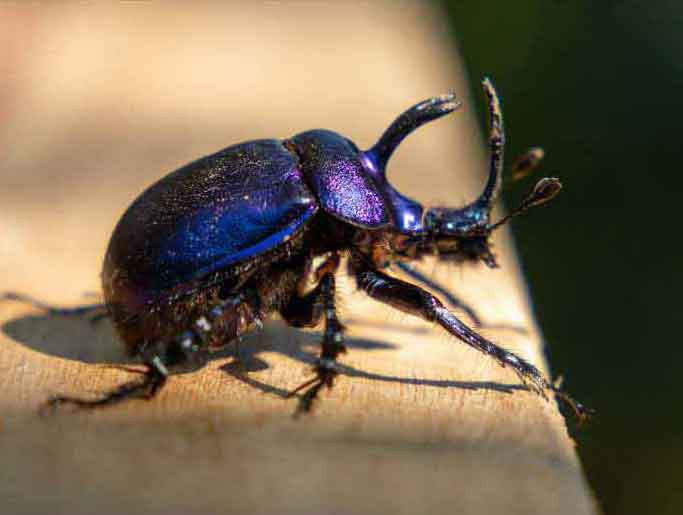
Most of all, help children notice wildlife. A beetle under a log. A bee working a flower. A bird lifting out of a hedge. A pawprint pressed into the mud. Caring almost always starts with paying attention, and attention is free, discovery is everywhere.
Read our Creatures’ Secrets database – it has just some of the fascinating breakthroughs that have happened as a result of the study of plants and animals.
Discover more through our ecological adventure stories

Lost on Infinity is a musical adventure story that introduces children to extinction, biodiversity and biomimicry through storytelling and original songs.
Get the Lost on Infinity illustrated book with free musical audiobook – a totally immersive experience.
Listen to the first part of the Lost on Infinity audiobook and watch the animated adventure FREE on Apple App Store and Google Play.
Download our FREE lesson plans and slides about Extinction and Biomimicry. We also have a selection of FREE classroom activities on our website.
For even more exploration of the natural world, tune in to our Stories, Science & Secrets podcast for kids. Join Matthew, Elaine, Steve Punt and special guests, as we delve into the fascinating world of biomimicry and the inspiring ways science learns from nature’s genius.
Every creature has a secret, and every life is precious.
______________________________________________________________________
About the creators:
Steve Punt is a writer and broadcaster, known for his work across BBC radio and television, and co-creator of Rockford’s Rock Opera.
Matthew Sweetapple is a writer and producer of Rockford’s Rock Opera, focusing on adventure-led environmental narratives.
Elaine Sweetapple is an illustrator and co-creator of Rockford’s Rock Opera, writing about nature, biomimicry, and storytelling.
Rockford’s Rock Opera adventures are written by professional writers, illustrated by artists, and recorded by real musicians, actors and producers. Crafted by humans, the hard way 🎶😊💚